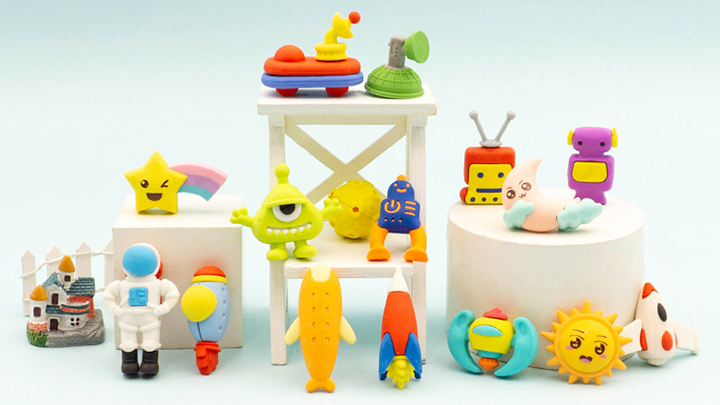





From Source to Sustainability: How TPR Erasers Are Redefining Low-Carbon Stationery Design
As global environmental regulations tighten and consumer awareness grows, the humble eraser is undergoing a green revolution. At our factory, we believe true sustainability starts at the material level—which is why we have embraced TPR (Thermoplastic Rubber) as the foundation of our low-carbon design strategy.
The Problem with Traditional Materials
Conventional erasers have long relied on PVC, a material that carries environmental baggage. For brands seeking to meet tightening international standards—such as the EU's Ecodesign for Sustainable Products Regulation—PVC is no longer a viable option.
TPR: A Cleaner Alternative by Design
TPR offers a fundamentally different environmental profile. As a thermoplastic elastomer, it combines the flexibility of rubber with the processing advantages of plastic—but without the toxic additives. TPR erasers are non-toxic, and contain no PVC. This material shift alone represents a significant step forward in reducing the carbon footprint of everyday stationery.
Design-for-Decarbonization in Practice
Our commitment to source reduction goes beyond material selection. By optimizing TPR formulations, we have achieved:
· Enhanced durability: Longer product life means fewer erasers consumed over time
· Superior erasing performance: Reduced dust generation minimizes airborne particulates
· Material efficiency: TPR's excellent processability reduces energy consumption during manufacturing
Why This Matters for Your Brand
For overseas buyers, sourcing TPR erasers is more than an environmental choice—it is a strategic business decision. With global markets increasingly demanding certified green products, our TPR erasers serve as a "green passport" for international trade, helping you stay ahead of regulations while meeting the expectations of eco-conscious consumers.
At our factory, we view sustainability not as a compliance burden but as a design opportunity. By rethinking materials from the source, we are proving that even the smallest products can contribute to meaningful environmental change.